


Missouri monitoring hemorrhagic disease in deer
Missouri monitoring hemorrhagic disease in deer

Janis Reeser, Columbia Daily TribuneMon, September 14, 2026 at 8:47 AM UTC
0
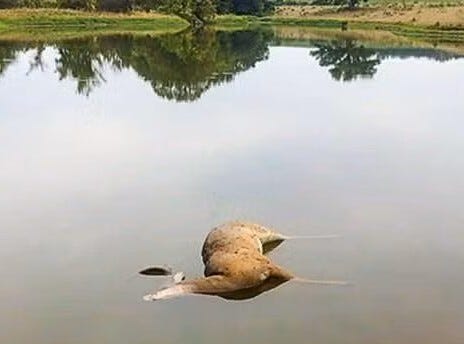
The Missouri Department of Conservation is asking residents to report suspected cases of hemorrhagic disease in deer as biologists begin receiving reports of the illness this summer.
The agency is seeking public assistance to determine the extent of the disease, according to a community announcement. Reports from residents help conservation staff monitor deer health and assess how outbreaks affect local deer populations.
Hemorrhagic disease, often referred to as HD, is a general term for two related viruses: epizootic hemorrhagic disease and bluetongue. The viruses spread through bites from tiny native midges commonly known as "no-see-ums" or gnats.
"Hemorrhagic disease is a naturally occurring virus in Missouri’s deer population," MDC Wildlife Health Program Supervisor Brigid Niemeyer said in the announcement. "Outbreaks are most common between July and October and typically end after a heavy frost kills the midges that spread the virus."
Symptoms can include difficulty moving, labored breathing, swelling of the head, neck or tongue and unusual behavior such as appearing dazed or unresponsive. Infected deer often seek out water because of high fever, and animals that die from the disease are frequently found in or near water sources.
The disease can kill deer within days of infection, although some animals survive and develop immunity. MDC said in the announcement that there is no cure or vaccine.
Disease outbreaks are visible but populations recover
Because infected deer often die quickly, outbreaks can appear severe, but MDC said in the announcement that hemorrhagic disease does not have lasting effects on the overall health or sustainability of Missouri's deer herd.
Deer populations typically rebound within a few years, even after significant outbreaks, according to the announcement.
Advertisement
"We care deeply about Missouri deer and deer hunting," Niemeyer said in the announcement. "By reporting suspected cases of HD, members of the public can help us track where the disease is occurring and how it’s affecting deer numbers in specific areas."
MDC noted that the state's most severe outbreak occurred in 2012 during a period of extreme drought, when deer congregated near limited water sources and faced greater exposure to infected midges.
Additional information about hemorrhagic disease is available through MDC at mdc.mo.gov/wildlife/wildlife-diseases/hemorrhagic-disease.
How to report suspected cases
People who believe they have found a deer affected by hemorrhagic disease can contact a local MDC office or speak with a conservation agent.
Local office and agent information is available at mdc.mo.gov/contact-engage/local-mdc-contacts.
Reports may also be submitted through MDC's Wildlife Health Event Reporting Application at mdc12.mdc.mo.gov/applications/WildlifeHealthReporting.
This story was produced with the assistance of Artificial Intelligence (AI). Journalists were involved in every step of the review, editing and publishing process. Learn more at cm.usatoday.com/ethical-conduct.
This article originally appeared on Columbia Daily Tribune: Missouri monitoring hemorrhagic disease in deer
Source: “AOL Breaking”
