


Heathrow risks descent into irrelevance as it runs out of room
Heathrow risks descent into irrelevance as it runs out of room

Christopher JasperThu, October 29, 2026 at 6:00 AM UTC
0
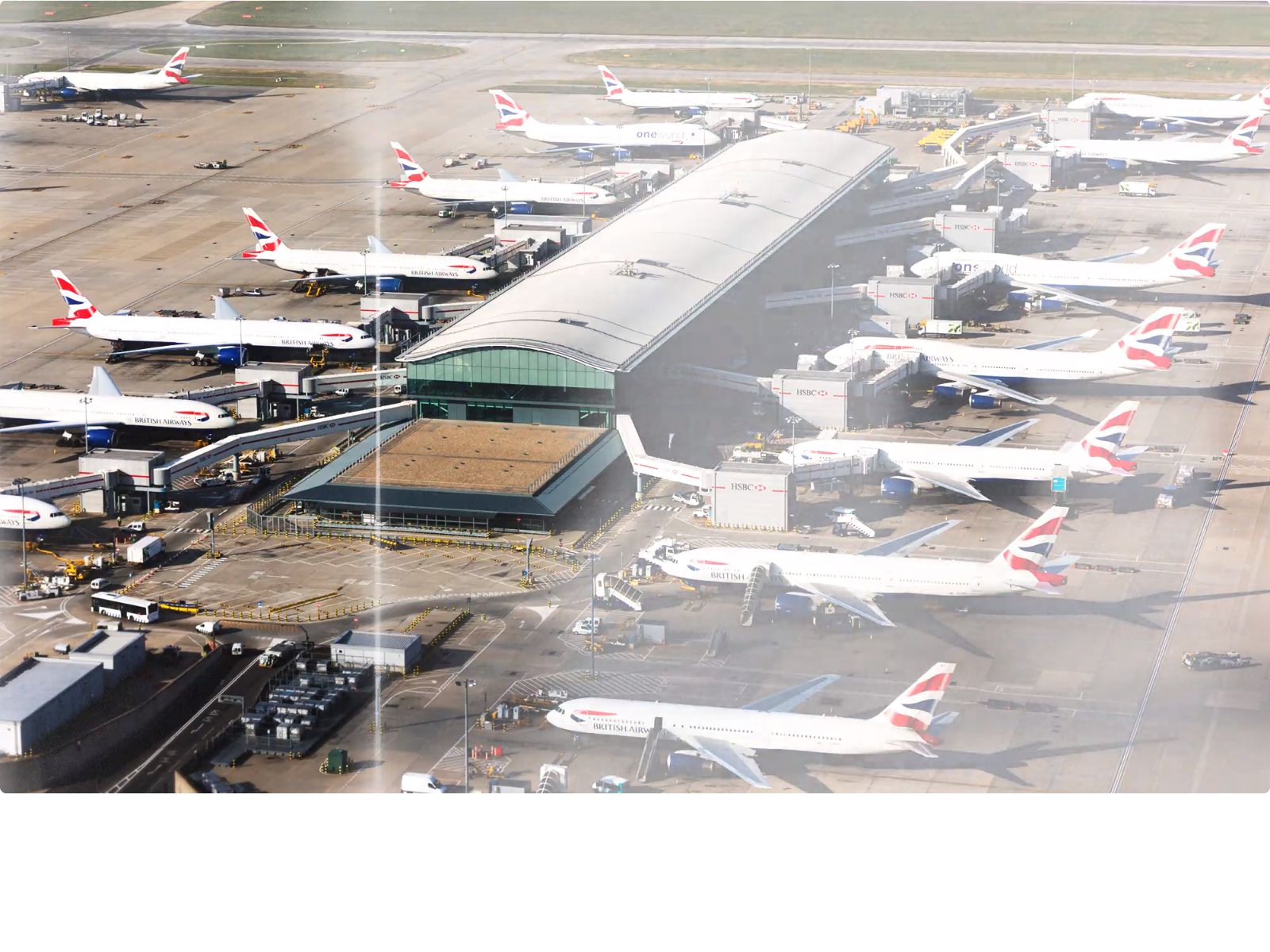
The UK’s most enduring running joke is once again drawing mockery worldwide.
Twenty years after Sir Tony Blair first proposed a third Heathrow runway, and two years after Sir Keir Starmer revived it, Andy Burnham appears to have pulled the rug out from under the scheme.
The Prime Minister’s failure to back the runway at last month’s Labour Party conference, despite being invited to do so five times, sent shock waves through the UK aviation industry.
Arguing that the fate of the landing strip was “principally a matter for Londoners”, he distanced himself from a project that counted Sir Keir and Rachel Reeves among its biggest cheerleaders.
Heathrow bosses, persuaded by the former chancellor to dust off an expansion plan shelved during Covid-19, were left “stunned” by Burnham’s words, according to one source.
Another said that the former Manchester mayor should abandon his focus on the North-South divide and “realise that he’s not running a city any more”.
Thomas Woldbye, Heathrow’s chief executive, warned that the airport’s owners needed the go-ahead by December to begin planning for the runway.
Otherwise, he claimed, investors, including Saudi, Qatari, Singaporean and Chinese sovereign wealth funds, would walk away from the £33bn scheme, the centrepiece of a wider £49bn expansion plan.
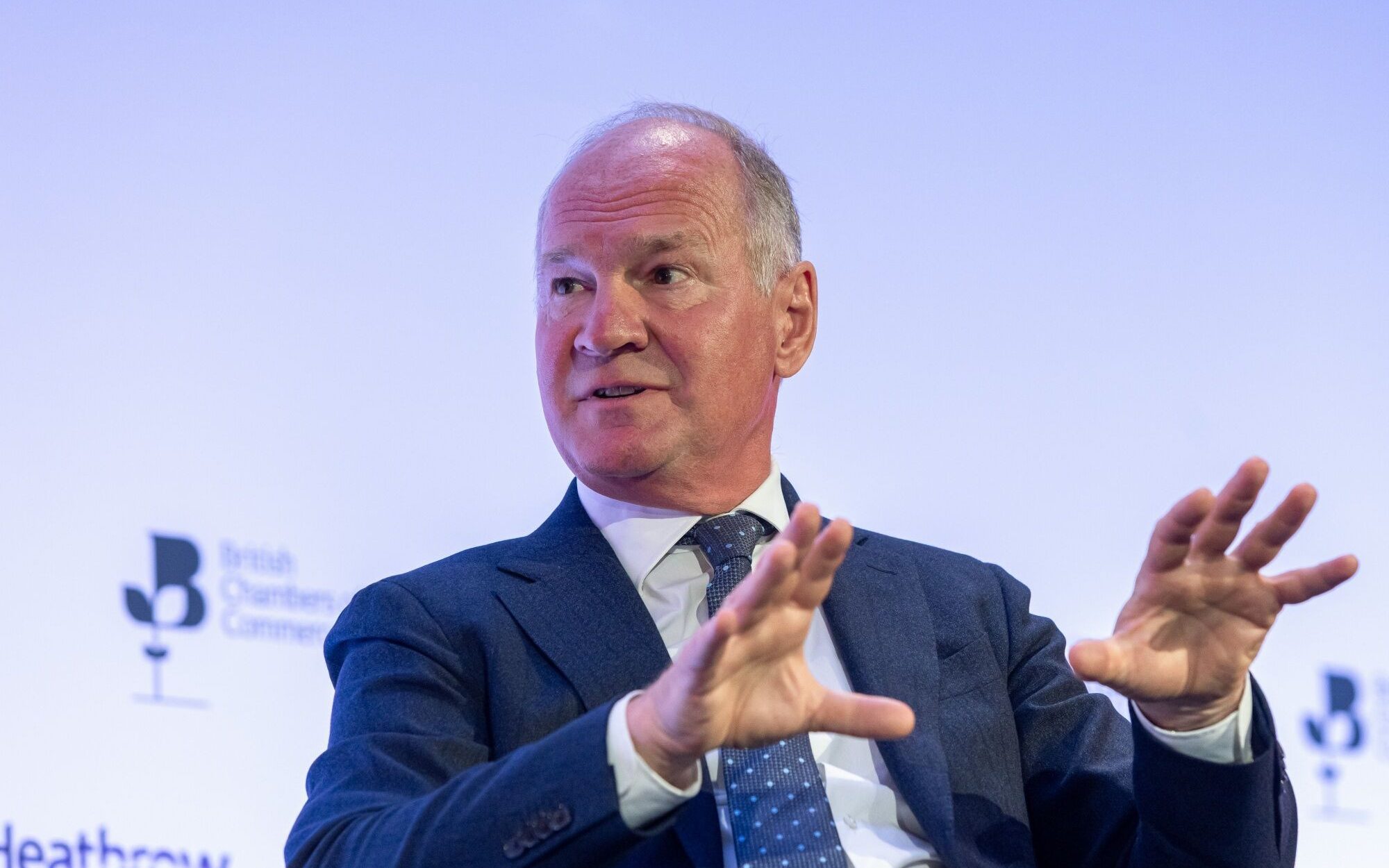
Thomas Woldbye, the chief executive of Heathrow, said the airport’s nine local boroughs stood to gain 33,000 permanent jobs - Bloomberg/Betty Laura Zapata
Unions and business, united in their support for the runway as a driver of jobs and growth, expressed bewilderment that what had been billed as a national project vital to future prosperity should be reduced to a local planning dispute.
Meanwhile, opponents have seized on No 10’s about-turn to re-emphasise their claims that the runway is incompatible with noise, pollution and carbon emissions rules.
Burnham’s comments shook up the status quo on Heathrow expansion. But at stake may be much more than just two miles of tarmac.
Should he choose to veto the runway, Heathrow’s standing as a major hub airport – and with it Britain’s status as the world’s third-largest aviation market after the US and China – will be fatally undermined, supporters of the plan say.
Heathrow reached the effective capacity of its existing runways years ago.
Passenger numbers nudged up just 0.7pc last year to 85.5 million, and then only through the adoption of bigger planes as airlines battled to make the best use of flight slots so scarce they can cost up to £50m a pair.
Heathrow is already turning away airlines that want to add flights, leading them to rely on rival hubs such as Paris Charles de Gaulle, Frankfurt, Amsterdam and Istanbul, which this summer supplanted it as Europe’s busiest airport.
In time, the trend could be catastrophic for the British economy, undermining the UK’s links with the world and relegating an airport that ranks as the country’s biggest port by value – handling more than a quarter of total trade worth almost £300bn – to second-tier status.
Kenton Jarvis, the chief executive of easyJet, said that abandoning a third runway would be a gift to European rivals.
He said: “It would constrain growth at the UK’s only hub airport, which would just push traffic into the Continent. So if the goal is to be less competitive with Europe, that would achieve that.”
All of which reflects how Heathrow’s future has entered a dangerous new phase.
Growing fears of further delays
Coming to a united view on Heathrow will not be easy for Labour. Despite his apparent scepticism, Burnham has said he will ultimately base his decision on feedback from two recently concluded evaluations.
These involved more than 1,000 pages of government documents, intended to make the case for the runway as part of a fast-track planning process.
A Department for Transport consultation on the expansion plan, known as the Heathrow Expansion National Policy Statement, ended last month.
Separately, the transport select committee wrapped up its examination of the blueprint last week and is expected to publish its findings in November.
In the final panel of its hearing, the committee grilled Keir Mather, the aviation minister, who gamely sought to reconcile Burnham’s comments with Labour’s former boosterish stance.
Mather, along with Heidi Alexander, the Transport Secretary, were among the few ministers to keep their jobs after Sir Keir’s toppling, and he claimed the Prime Minister was “speaking to the fact that this is a decision of enormous consequence for London”.
At the same time, he said he “also recognised the central importance of Heathrow to UK economic growth, to our resilience, and also its status as an international hub airport”.
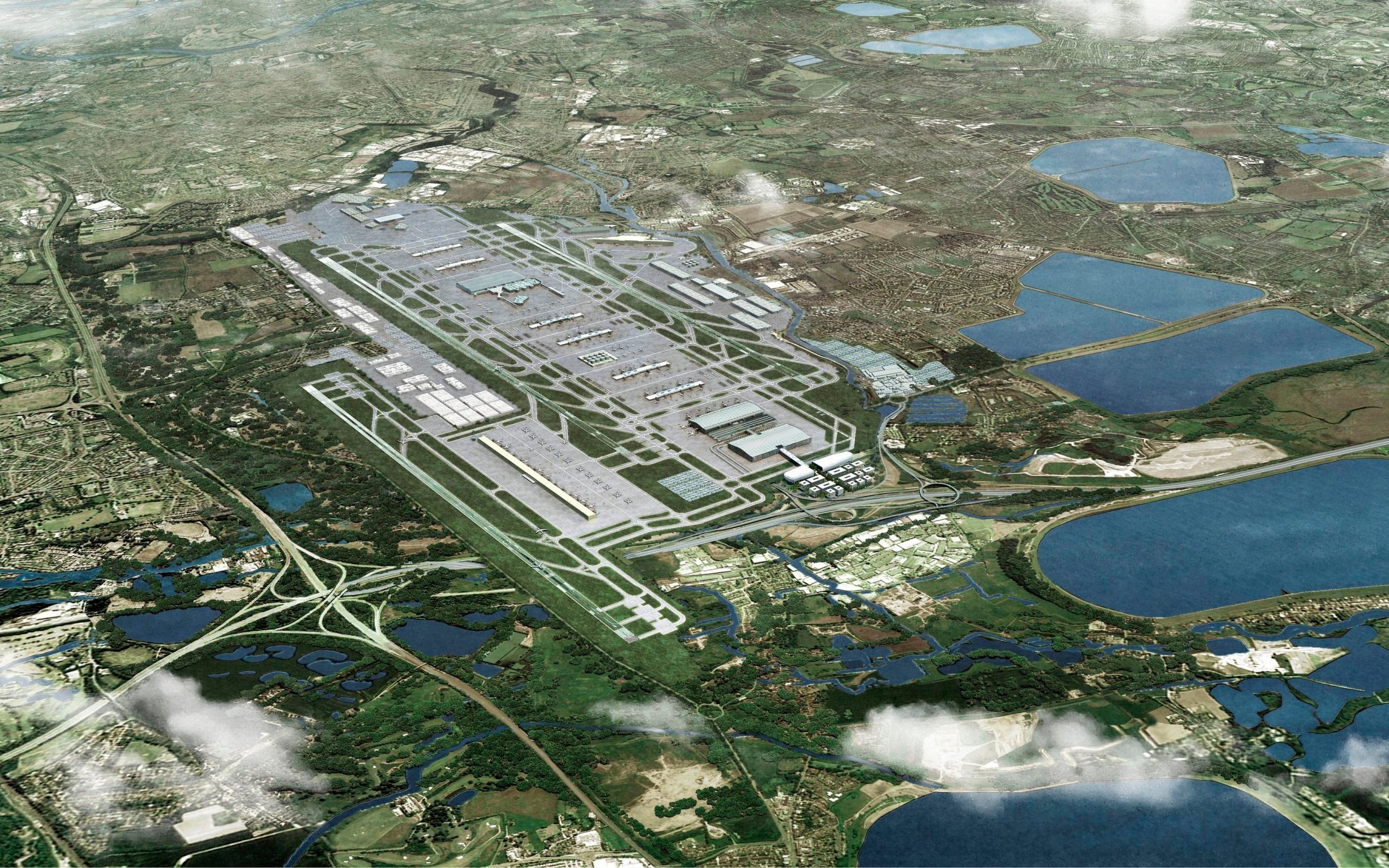
An artist’s impression of Heathrow’s third runway. The project’s cost has been identified as a significant drawback - PA/Heathrow Airport
Meanwhile, John Healey, Reeves’s successor, insisted that “the case for a third runway at Heathrow has always been a case for growth”, stoking speculation about a split between No 10 and the Treasury on whether to continue backing the project.
Other powerful Labour figures, including Ed Miliband, the Foreign Secretary, and Lord Khan, the Mayor of London, remain sworn enemies of the runway, while MPs in the capital either oppose it or are nervous about showing support, which leaves its future on a knife edge.
At the same time, Heathrow and airlines have been forced to restart their lobbying.
While they previously argued about the cost of the runway, they are now suddenly more worried about the project’s very survival.
Woldbye, who had spent months emphasising the runway’s credentials as a national project creating jobs across the country, suddenly switched tack, stressing that Heathrow’s nine local boroughs stood to gain 33,000 permanent jobs.
Luis Gallego, the head of British Airways (BA) owner International Airlines Group (IAG), previously complained that the runway plans would add more than £50 to fares.
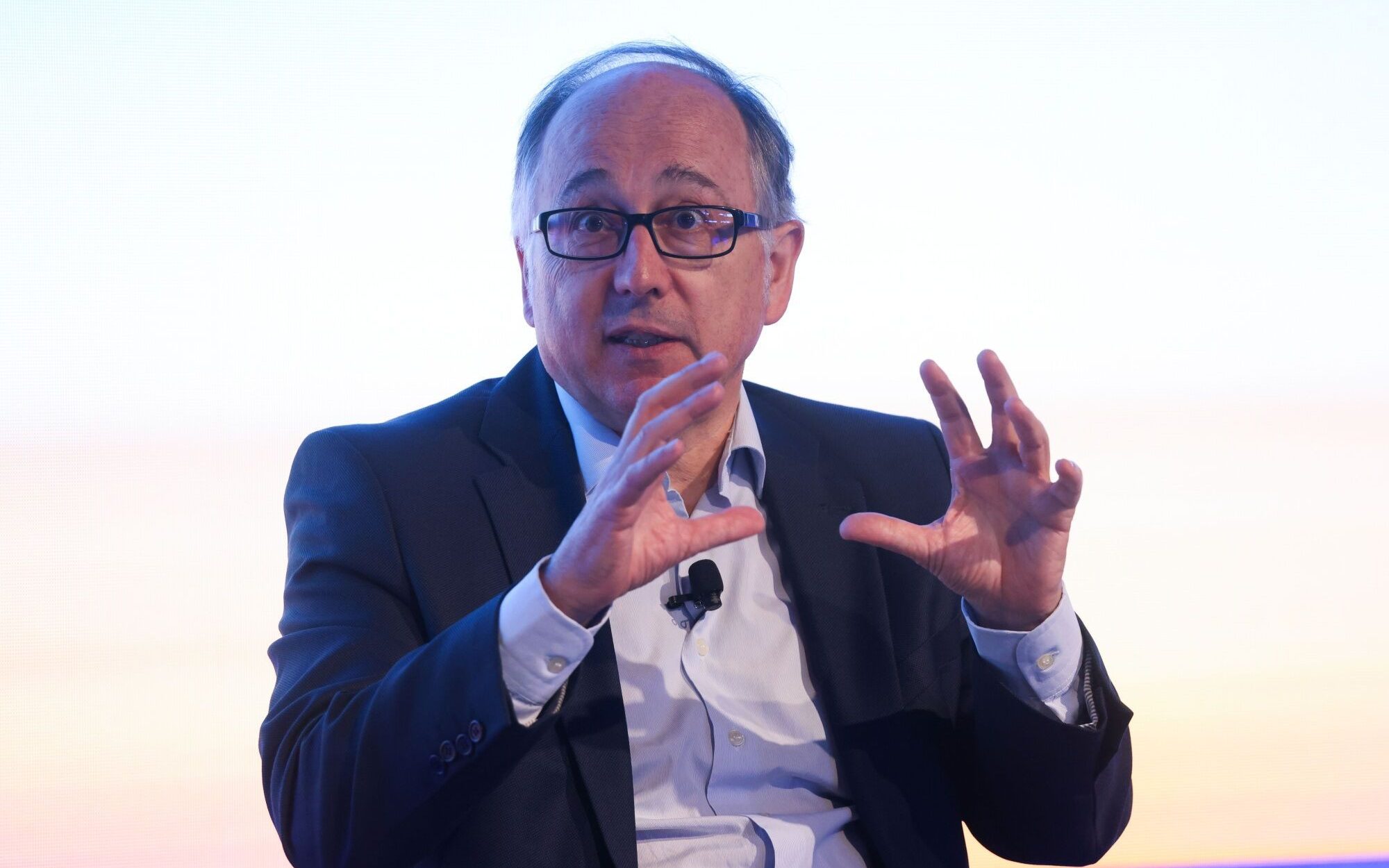
Luis Gallego, the head of British Airways, said ‘we need the third runway as soon as possible’ - Bloomberg/Hollie Adams
Now, while still stressing that the bill is a significant concern, he is eager to argue that Britain desperately needs the runway to be built, and as quickly as possible.
With the runway’s opening already slipped to 2039, Gallego said Burnham’s remarks had stoked concern about further hold-ups.
Speaking to The Telegraph, he said: “We are not nervous, but we think the process could be delayed, when we need the third runway as soon as possible.
“We want to expand Heathrow, we think that it is the right thing to do if we want to develop the UK, if we want to have growth, if we want to improve connectivity.”
Crucially, he said that scrapping the runway plan could ultimately threaten BA’s success.
He said: “What we want is to have BA for another 100 years, and for that we need opportunities for growth. If we are thinking of the future it would be very good to have the third runway and to develop connectivity in the UK.”
Gallego added that he was “tired” of having to explain to politicians how a hub such as Heathrow, where many people fly in on one plane and out on another, can sustain more routes than smaller airports, even ones the size of Gatwick or Manchester.
He said: “Heathrow is the only UK hub. It’s not a question of London. It’s a question of the economy, growth, employment and competitiveness against other European airports.”
Advertisement
Gallego said Britain was not unique in its airport clashes, with similar debates on whether flights in Spain should be split between Madrid and Barcelona and in Italy between Rome and Milan, before the wisdom of a single main hub was accepted.
After the Prime Minister’s comments, the boss of IAG took the unprecedented step of suggesting that the Government consider taking a stake in Heathrow to gain more control of the project and help reduce costs.
Neither No 10 nor Heathrow has responded to the proposal.
‘Pent-up frustration among locals’
More pertinently, IAG has also released survey results suggesting that, rather than opposing the runway as Burnham’s intervention appeared to imply, more than 60pc of Londoners back the scheme.
While the claims may seem to fly in the face of received wisdom that areas such as Putney and Richmond along the Heathrow flight path are hotbeds of anti-Heathrow opposition, pro-runway groups say the numbers reflect most locals’ views.
Back Heathrow, a campaign group, claims 105,000 members, half living within eight miles of its terminals, plus unions and small businesses.

Campaigners have protested against the expansion of UK airports, including the third runway at Heathrow - PA/Jordan Pettitt
Parmjit Dhanda, a former minister in the Blair and Brown governments, leads the campaign.
He said 70pc of members were non-white, reflecting not just the make-up of the local population but also Heathrow’s reliance on ethnic minority labour.
Those same people, typically filling menial posts with low pay and unsocial working hours, are also among the least inclined to make their views known, so that their concerns are drowned out by louder middle-class voices from London’s more salubrious suburbs, he said.
“There’s a silent majority out there backing Heathrow, and a lot of those people are people that get up early in the morning and go to work and come back,” he said.
“If you’re part of the diaspora from the Indian subcontinent, you will have a relative or a neighbour or someone you know well working at the airport. So we’ve seen the benefits, those of us who have grown up in the area.”
That reliance on Heathrow includes not just the 90,000 people employed at the airport – the UK’s largest single-site employer – but tens of thousands more who work to keep it functioning at locations such as Park Royal in Ealing, Europe’s biggest trading estate and often called “London’s kitchen” for its concentration of catering suppliers.
Dhanda said there was not just a threat to jobs if Burnham were to block the runway, but also a risk of undermining public faith in the political system after the plan was overwhelmingly approved by Parliament in 2018, with Labour MPs having been granted a free vote.
That followed a report from the Airports Commission, led by Sir Howard Davies, which unequivocally recommended the Heathrow runway over all alternatives after a three-year evaluation.
Dhanda said: “There’s a level of pent-up frustration among local people saying I thought this was meant to happen years ago.
“I think that’s a problem. People start to lose trust in processes when they see Parliament vote for something with a majority of 296 and years later it’s still no closer.”
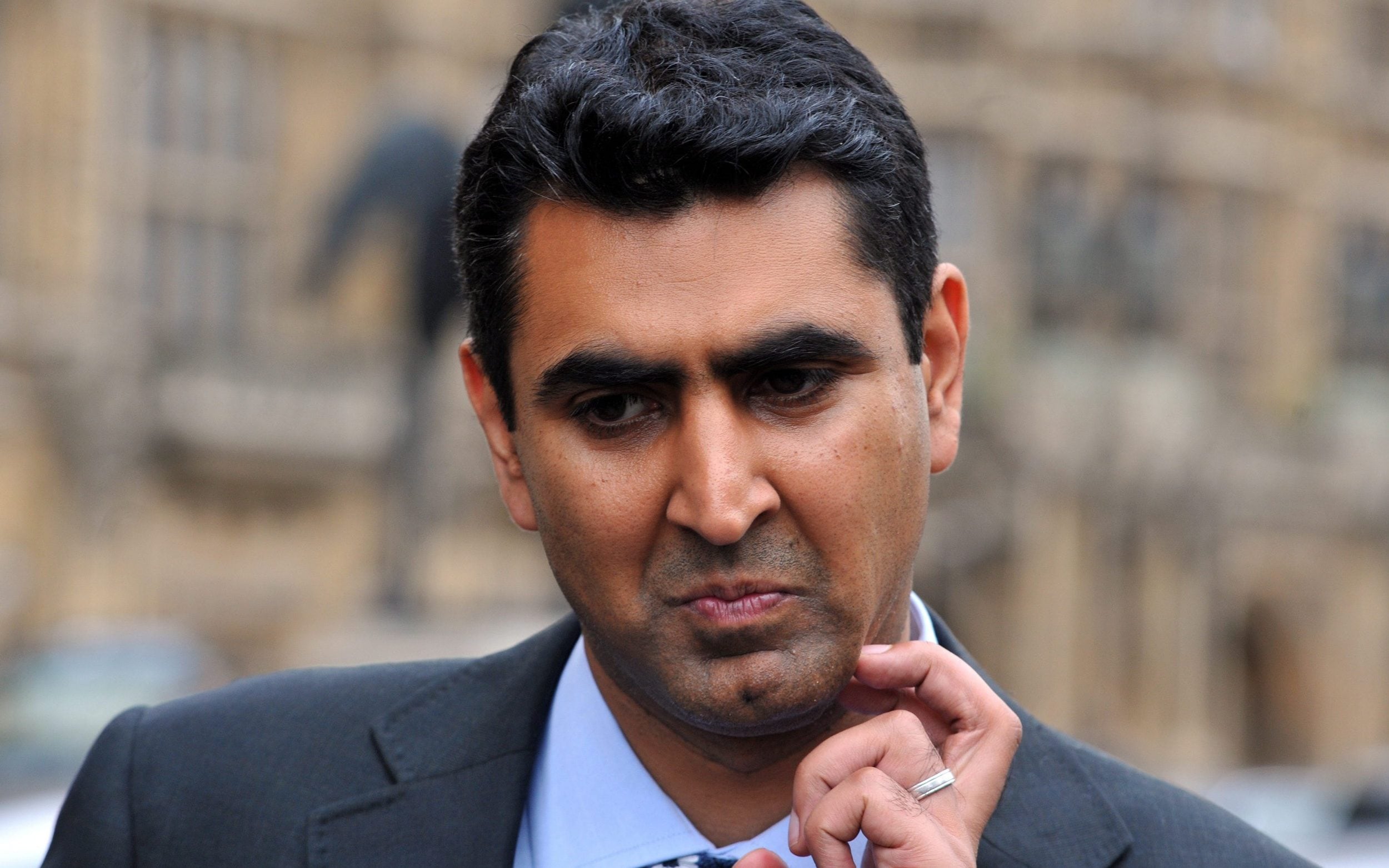
Parmjit Dhanda said there is a risk of undermining public faith in the political system if Andy Burnham were to block Heathrow’s third runway - EPA/Daniel Deme
Other nearby residents with no stake in the airport say they have made their peace with the runway plan.
Shafick Emmambokus, who lives in the village of Cranford at the end of Heathrow’s northern runway, says he has little sympathy for opponents of the new strip, especially those who moved to west London knowing the airport might one day expand.
The retired psychiatric nurse says he hopes Burnham has simply “not done his homework” and wants to “test people’s opinions”, while urging the Prime Minister to “forget about London” and consider Heathrow a national asset.
He says: “I’m much closer to the airport than people from Kingston, Twickenham and Richmond, who seem to be making a lot of noise, so if anyone complains it should be me.
“But we need Heathrow for the benefit of the nation, and that should take priority. I see it as patriotism. There are times when you have to put up with certain inconveniences, especially if the things causing the inconvenience bring a greater advantage.
“These people who bought 25 years ago, they knew the airport was here, and they knew it would grow. It’s like moving to Margate and complaining because it attracts more tourists.”
He adds: “It’s often very affluent people who will be flying abroad from the airport. It is serving them, yet they criticise its existence, which is clearly hypocritical.
“The majority of ordinary people see the airport as the provider of job security for them and their children. But we don’t hear from them because they’re in their own little corner, while the ones who are vocal have a lot of time on their hands and they’re more articulate.
“I get really emotional about this. I’ll say, look, mate. Heathrow equates to the economy of this country, and you’re complaining that you can’t sit in your back garden.
“If there were to be a national referendum, I know what the outcome would be; I think people do have sense nationwide.”
Emmambokus says that, having moved to Cranford in 1995, he barely notices jets flying almost overhead, even with windows open in the summer.
He compares the engine roar to “a distant ocean”, and says his granddaughter regularly sleeps over without being disturbed.
Competing proposals and shift in thinking
Beyond the noise, Westminster veterans have questioned whether Burnham is really opposed to the runway.
Lord Gove, speaking at the recent Airports UK Annual Conference, said that while the Prime Minister might appear “unconvinced and sceptical”, his remarks reflected caution about investment skewing towards London.
“I can imagine that in a conversation he will have said, ‘Do we really want to do this?’ He would have been right to ask that question,” Gove said.
“But for business, craving certainty, these smoke signals coming out are confusing. Is the PM merely testing a proposition or is there genuine doubt there?”
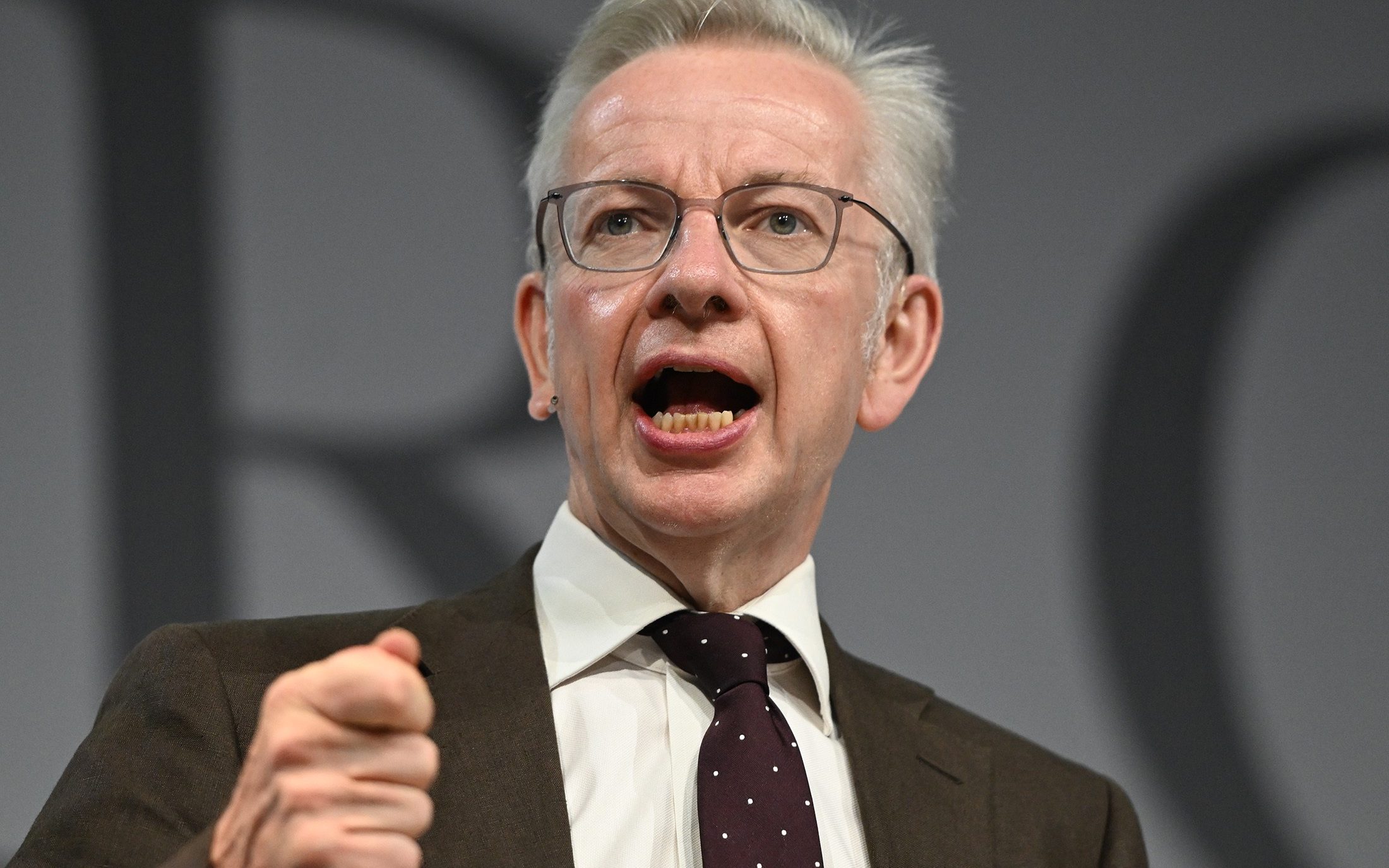
Lord Gove said Andy Burnham’s remarks reflected caution about investment skewing towards London - Eddie Mulholland
Burnham also appears less motivated by environmental concerns than Sir Keir, he said.
That impression has been reinforced by comments from Alexander suggesting that a critical report from the Climate Change Committee, which advises the Government, will not stand in the way of its approval.
One possible outcome of a shift in thinking at No 10 may be a compromise on a shorter, cheaper version of the new runway favoured by some airlines.
Surinder Arora, the hotel tycoon behind the proposal, claims it would cost £8bn less than Heathrow’s basic blueprint.
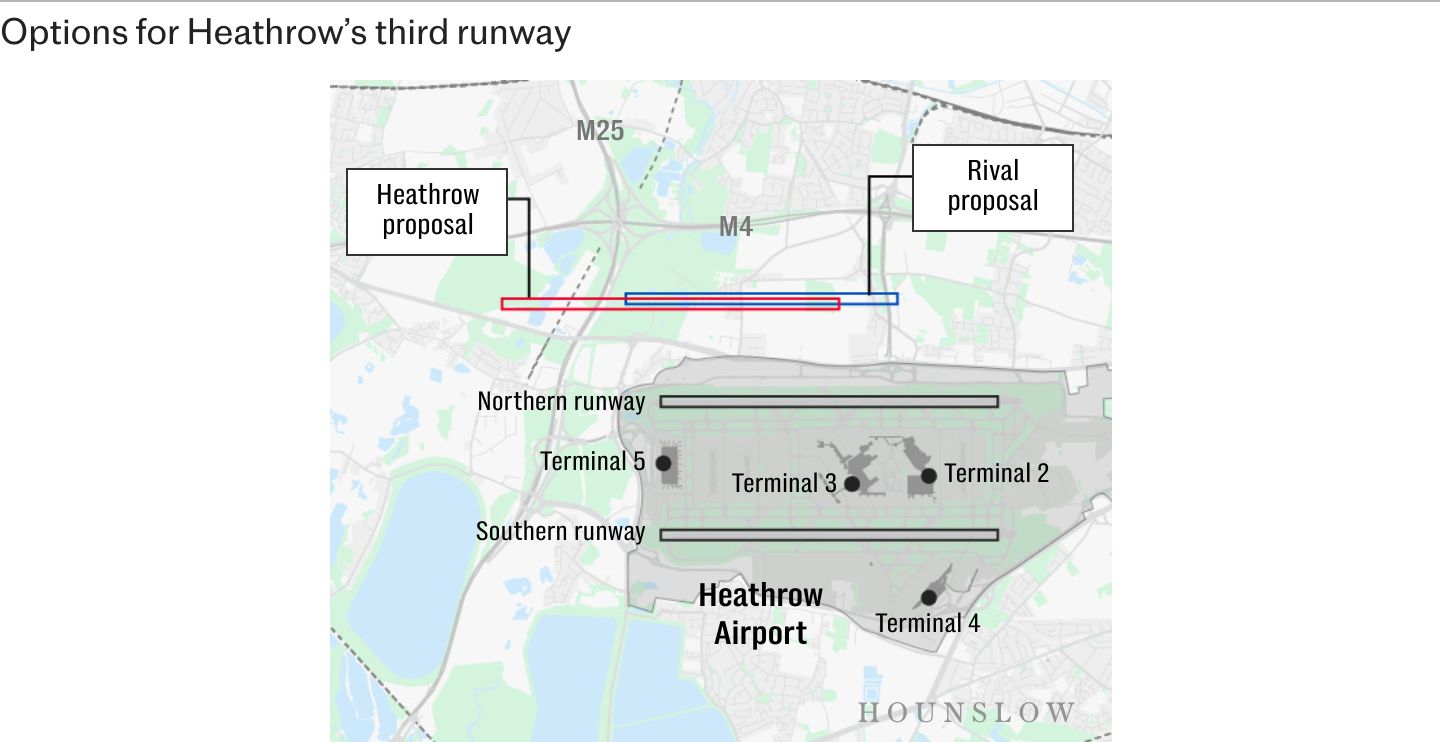
He said the Civil Aviation Authority and the Department for Transport already seemed to be coming around to the plan, which would avoid moving the M25.
“The phased runway has to be the way now,” he said. “It’s the only option if he wants to put affordability and deliverability first.”
But whatever proposal is eventually put forward is almost beside the point.
With growth on its knees and international investment fading, the debate on Heathrow’s third runway is more important than ever before.
“It’s too important,” said Arora. “As a nation, we need that expansion and growth, and without it we’ll be left behind.”
Source: “AOL Money”
