


Blockbuster October jobs report keeps Fed rate hike in play for December
Blockbuster October jobs report keeps Fed rate hike in play for December

Jennifer SchonbergerFri, November 6, 2026 at 1:53 PM UTC
8
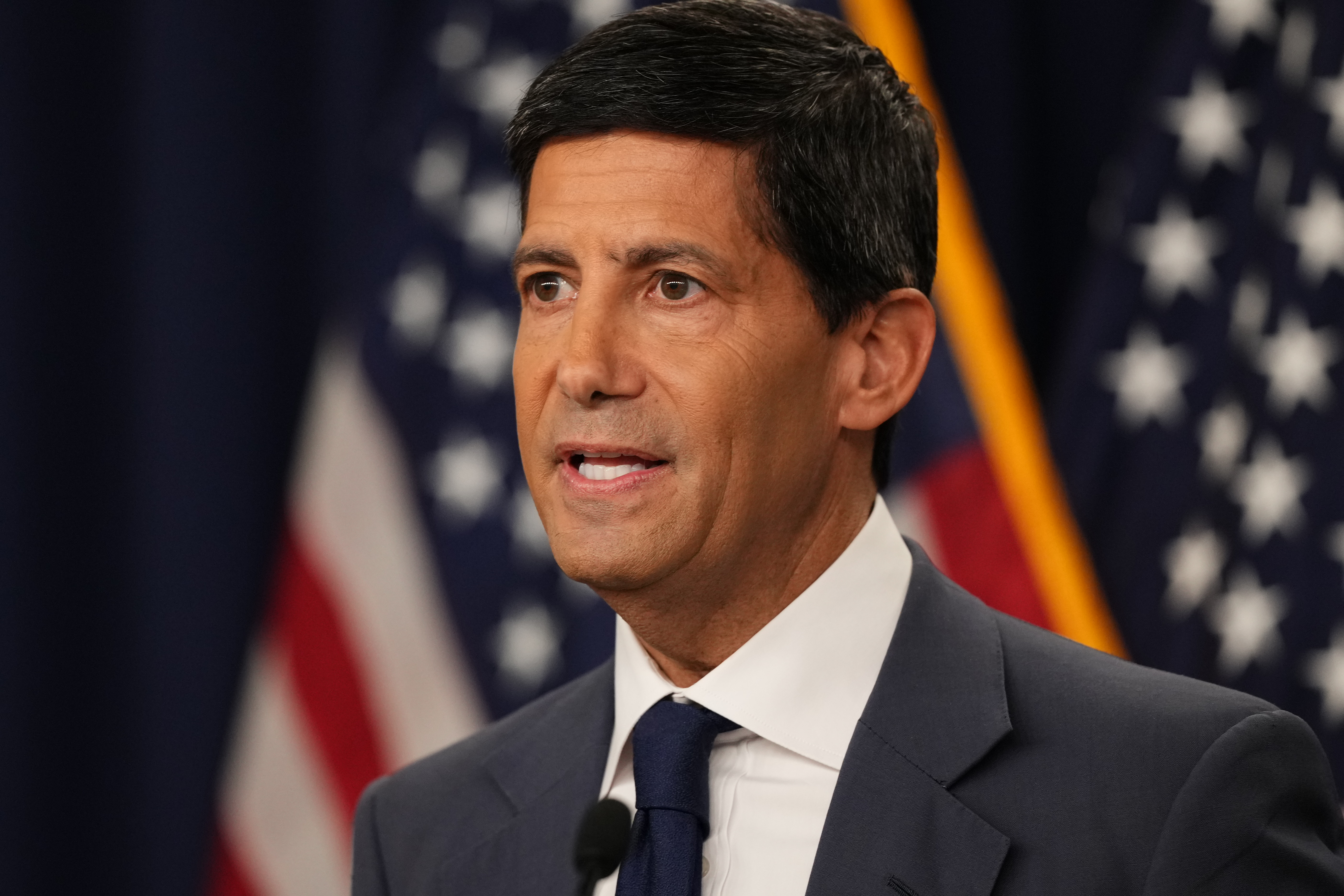
Fed Chairman Kevin Warsh speaks at a press conference on Oct. 28, 2026, in Washington. (AP Photo/Julia Demaree Nikhinson)
A much stronger-than-expected October jobs report solidified expectations that the Federal Reserve will raise interest rates in December as officials remain focused on higher inflation.
The Bureau of Labor Statistics report released Friday showed that 165,000 jobs were created in October, compared with expectations of around 70,000, and the unemployment rate edged down to 4.1%, compared with expectations of 4.2%. That's much higher than the average monthly gain of 48,000 over the past 12 months and well above the roughly 30,000 jobs needed to hold employment steady. Over the past three months, payrolls are averaging 137,000. Labor force participation inched up to a hair above expectations at 61.9%.
Job gains in both August and September were revised higher by 84,000. The bulk of jobs added were in the sectors of professional and business services, healthcare, and transportation and warehousing. Manufacturing added 19,000 jobs.
"The policy takeaway on the report is that the Fed will move confidently towards the December rate hike of twenty-five basis points as the economic expansion steams ahead," RMS economist Joe Brusuelas said.
Read more: How jobs, inflation, and the Fed are all related
While job gains are picking up, wage growth remains somewhat muted. Wages grew 3.1% in October, compared with expectations for 2.9%.
Diane Swonk, chief economist for KPMG, noted the dichotomy between wage growth and inflation. While wages have increased, average hourly earnings remain below the overall pace of inflation, even as the economy is adding more paychecks, buoying spending power and demand. Yet she said inflation is acting as a regressive tax, with lower- and middle-income households getting hit harder than affluent households.
"That's a sticking point for the Fed," Swonk told Yahoo Finance.
"If you allow inflation to metastasize, it is like a cancer," she added. "What they're hoping to do is to cool inflation on the margins by going up more incrementally, not in the aggressive way they did in 2022."
Advertisement
Read more: How to protect your savings against inflation
Fed Chairman Kevin Warsh noted these dynamics following the last policy meeting, in which the Fed held rates steady. He pointed to payroll growth that is noticeably above last year's pace, the four-week moving average of unemployment insurance claims that continues to run at the lowest level in generations, and that "on the employment side of the Fed's dual mandate, conditions are quite positive."
"Yet Americans, of course, are still dealing with inflation that has been running above the Committee's objective for close to 6 years," he said. "It's our responsibility to get inflation down. That's the reason the FOMC's discussion over the last couple of days focused mainly on the price stability side of our remit."
Fed officials have noted that the job market is stable in recent comments and have said job growth is not adding to inflation.
Friday's jobs report raises the question of whether that could change if labor market growth continues at a higher pace. One report doesn't make a trend, and officials are not data-point dependent; they're focused on longer-term trends.
"The October jobs report argues for a heightened inflation watch," EY chief economist Greg Daco said. "Solid job creation and a 4.1% unemployment rate leave little concern about labor-market weakness, giving policymakers greater latitude to focus on the lingering inflation overshoot. Against that backdrop, we continue to believe further tightening is warranted and expect another 25bp rate hike in December."
But Chris Hodge, chief economist for Natixis, noted that while wage growth rose more than expected in October, the data is noisy and wages have been subdued for some time.
"Given volatility of jobs data, we think wages are a better indicator of labor market tightness," Hodge said. "We think this is a labor market that is displaying stability but not heat, and from the Fed's perspective, is still nothing to be concerned about."
Follow Jennifer Schonberger on X @Jenniferisms and on Instagram.
Source: “AOL Money”
