


Audi vs. BMW vs. Mercedes: The Real Difference Isn’t Reliability
Audi vs. BMW vs. Mercedes: The Real Difference Isn’t Reliability

Adam LyntonSat, August 1, 2026 at 10:00 PM UTC
0
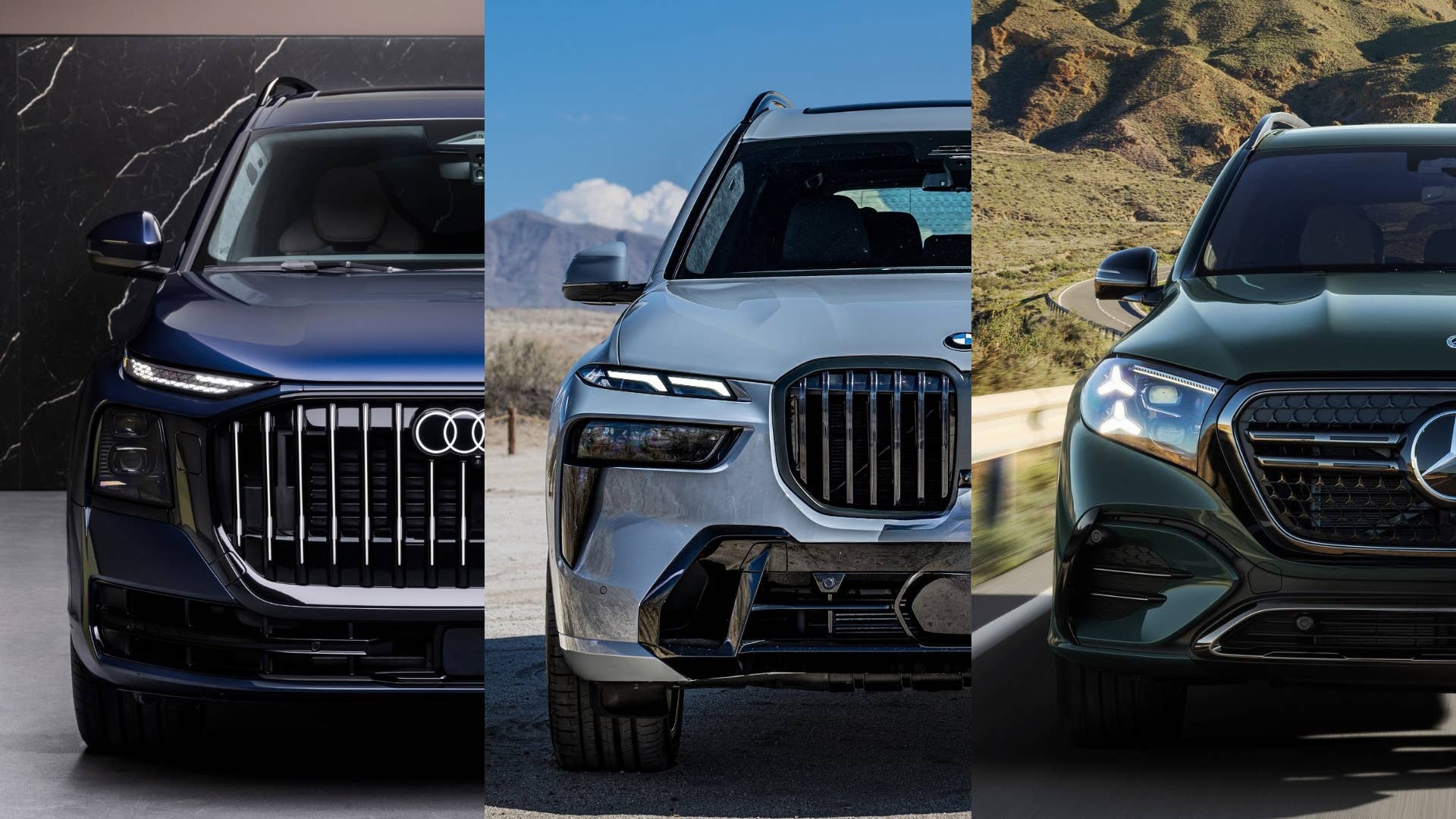
Audi just launched the Q9, its first full-size flagship SUV, priced from $87,700 and aimed squarely at the BMW X7 and Mercedes-Benz GLS. It caps a year in which all three brands reworked the top of their ranges: Mercedes-Benz with the S-Class in January, BMW with a refreshed 7 Series carrying its first Neue Klasse technology in April, and now Audi with a three-row flagship it never had before.
We already ranked the three on reliability, and the gap there is real and wide, with BMW clearly ahead. This Audi vs. BMW vs. Mercedes comparison goes past reliability to the difference that actually decides which brand is for you. That comes down to character, how each car is built to feel, and it shows up most clearly in one place: how each brand tunes the same all-wheel drive.
The Drivetrain Shorthand Stopped Working
Most buyers still think Audi means front-wheel drive, while BMW and Mercedes-Benz mean rear-wheel drive. Each brand's own material tells a different story.
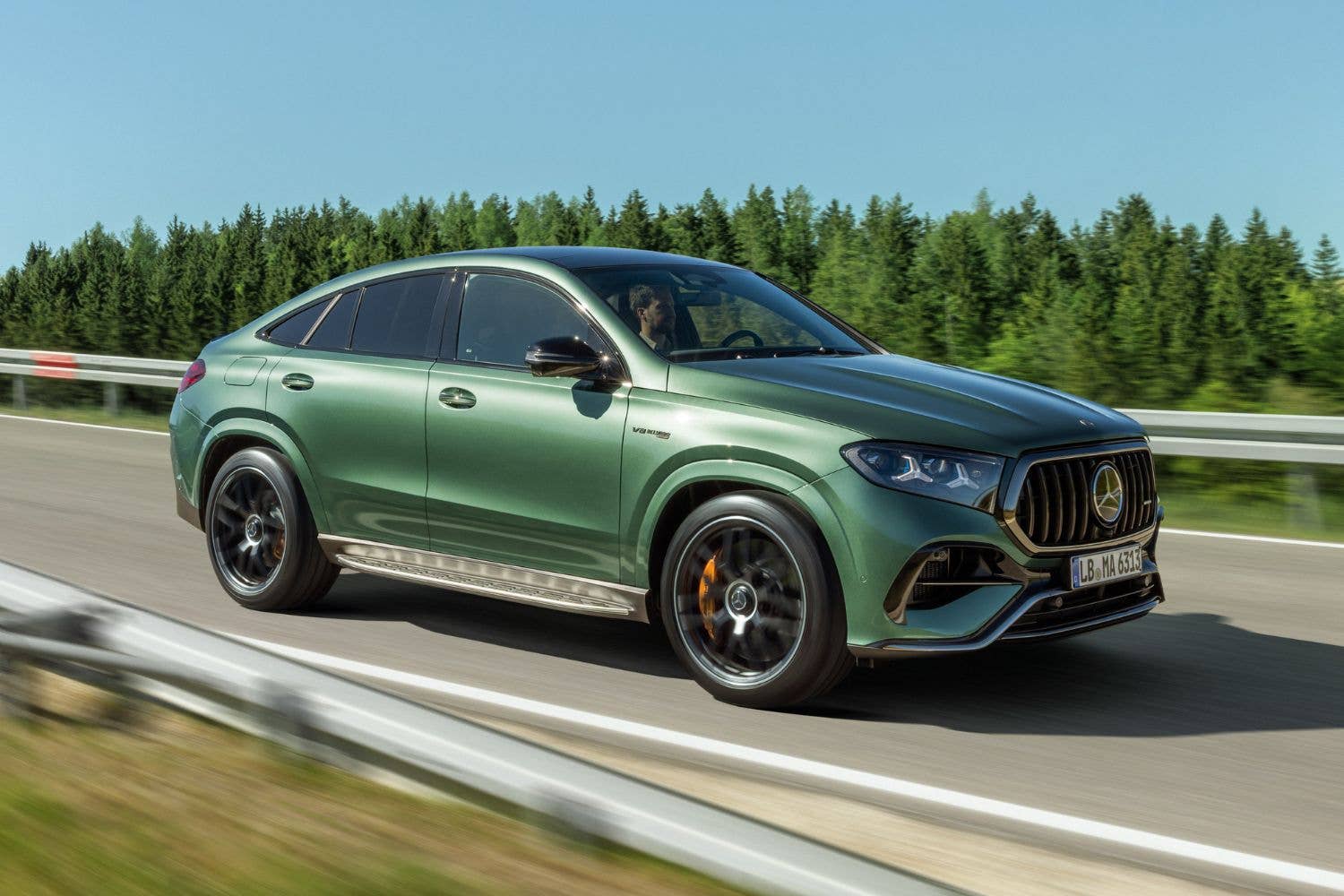
Mercedes-Benz 4MATIC comes in two forms:
Variable (runs as front-wheel drive until grip is needed): CLA, GLA
Permanent (drives all four wheels at all times): E-Class, S-Class, GLE, GLS
Mercedes-Benz
View the 3 images of this gallery on the original article
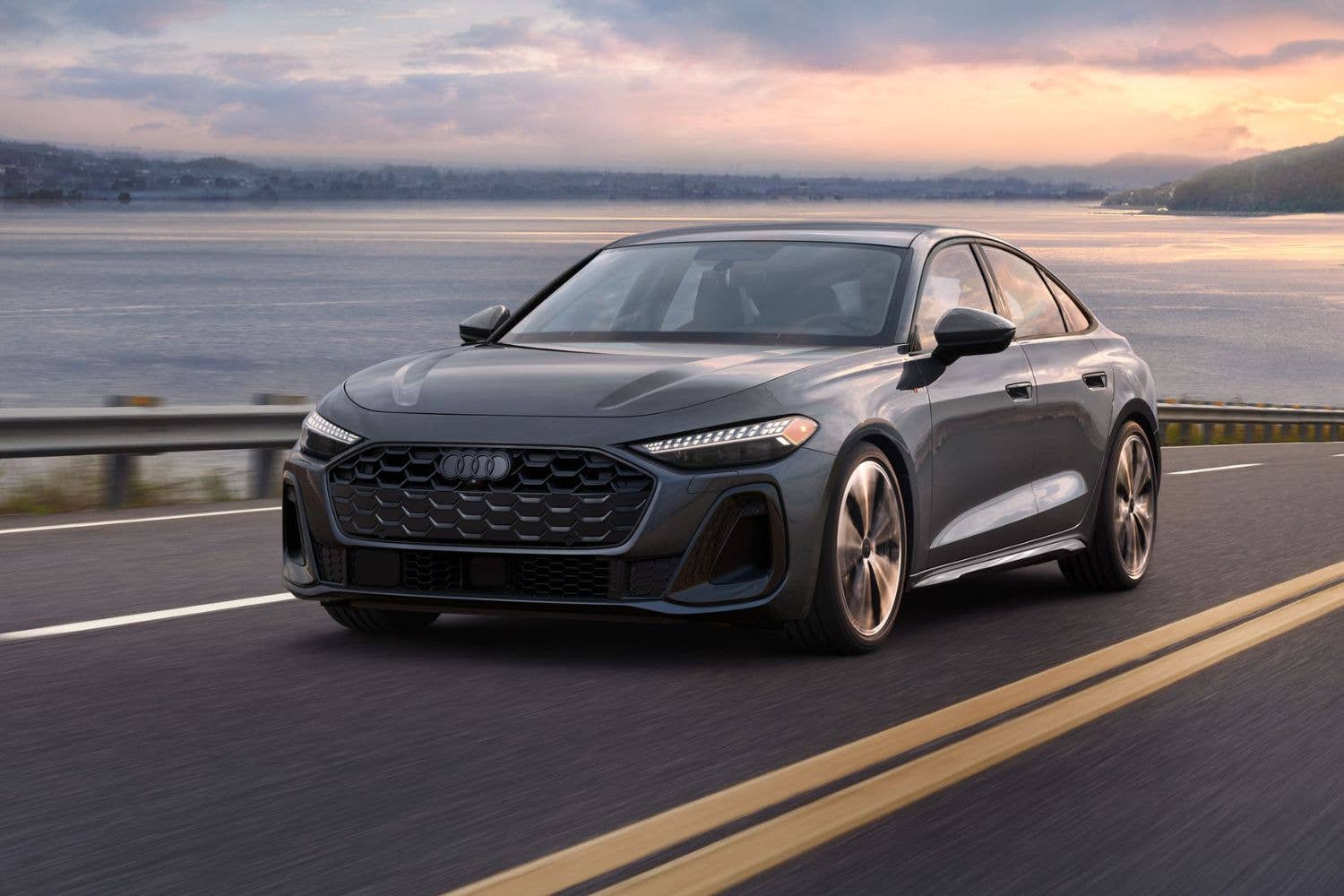
Audi quattro comes in three:
ultra (front-wheel drive until needed): A4, A5, A6, A7, Q5
Multi-plate clutch (front-biased in normal driving)
Self-locking differential (always all four wheels)
Audi
View the 3 images of this gallery on the original article
Advertisement
The entry Mercedes-Benz and most of the Audi range do the same thing in normal driving: send power forward until something demands otherwise. On AMG sedans, the permanent system splits torque 31:69 toward the rear, while the variable 4MATIC+ can send 100 percent to the rear axle. Today, the rear-drive brand sells front-drive cars at the bottom of its lineup, while the brand long associated with front-wheel drive offers models that can send all of their power rearward.
Brand
AWD system
In normal driving
Engineered for
xDrive
Rear-biased, sends power forward as needed
The driver, rear-wheel bias for enthusiasts
Mercedes-Benz
4MATIC (variable / permanent)
Variable runs front-drive; permanent drives all four
All-weather stability and comfort
Audi
quattro (ultra / multi-plate / self-locking)
ultra and multi-plate run front-drive until needed
Traction with efficiency, brand identity
This is where the character split shows, and each brand states it in its own words. BMW is the only one that ties its all-wheel drive to the driver, listing rear-wheel bias for enthusiasts alongside traction. Mercedes-Benz builds 4MATIC around composure, using its 4-ETS system to brake a slipping wheel rather than sharpen the handling. Audi treats quattro as identity and efficiency, disconnecting the rear axle when it is not earning its drag.
The Badge You Buy Into Isn't Always the Badge You Think
In the Mercedes-Benz range the engineering tracks the price. The GLA opens the lineup at $41,500 for 2026 with the front-drive-capable setup. Permanent all-wheel drive appears higher up, on cars like the 2026 E 350 4MATIC at $66,400 and the 2027 S 500 at $114,000. Moving from a GLA to an E-Class is not just a bigger Mercedes-Benz, but a different answer to the same question, which is the concrete version of an old owner complaint: below a certain price, the badge promises more than the car underneath delivers.
Audi carries the opposite reputation, that its cars are Volkswagens with nicer interiors, and the Q9 tests it directly. It puts Audi against the X7 and GLS for the first time, and the 2027 Q7 now starts at $70,900 with six-cylinder power as standard. The label describes a brand that no longer matches the cars it ships.
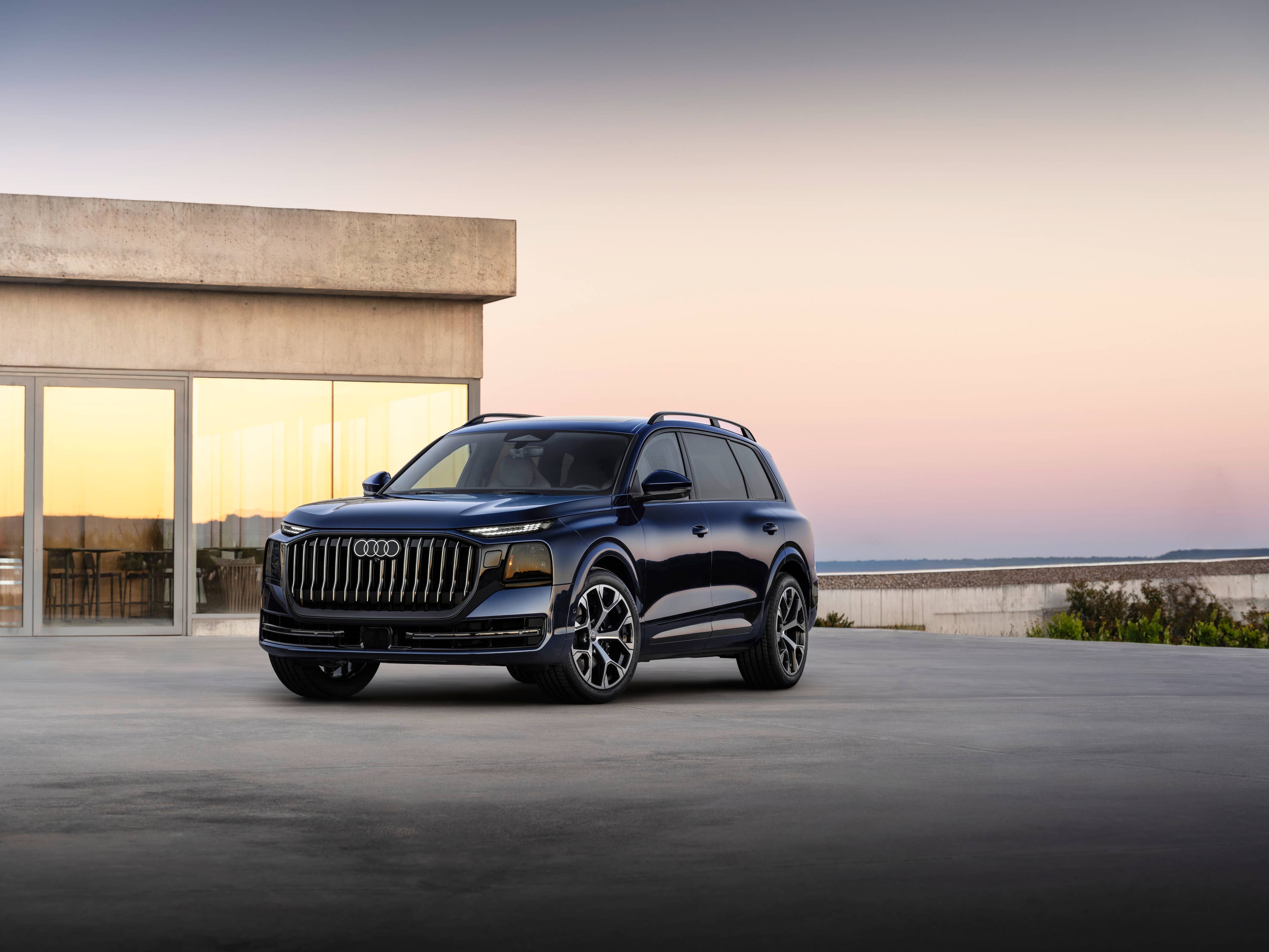
2027 Audi Q9AudiWhich One Fits Which Driver
Character is what reliability numbers cannot measure, and it is what ultimately decides which badge fits you. If you want the car that feels most alive, BMW is the answer, the only one that engineers its all-wheel drive around the driver and applies the rear bias across the whole range. Mercedes-Benz is for isolation and calm, tuned to keep the car composed rather than involved. Audi is for grip in any weather without a permanent fuel penalty, its ultra system dropping the rear axle when it sits idle, and its 2027 cars now bundle three years or 30,000 miles of maintenance.
One caveat remains at the bottom of each range. A CLA or GLA does not drive like the Mercedes-Benz badge implies, and an Audi on the multi-plate system is a front-driver most of the time. Confirm which system a specific model carries, and weigh the long-term math before signing.
This story was originally published by Autoblog on Aug 1, 2026, where it first appeared in the Features section. Add Autoblog as a Preferred Source by clicking here.
Source: “AOL Money”
